Giveaway comment moderation means watching a contest post before, during and after the draw, so that fake “winner” accounts, scam links and bot entries never reach your real fans. The work is simple but time-boxed: set rules and a pinned warning before you post, check the thread on a fixed rhythm while entries come in, clean the list before you pick a winner, and stay alert for a week after the announcement.
Here is how it usually goes wrong. You announce the winner, and within minutes a page with your logo and a name one letter off replies to half the commenters: “Congratulations, you won! Message us to claim your prize.”
Some of your most loyal followers believe it. One pays a “delivery fee”. The next morning they post on your page asking where their prize is, and they are angry with you, not with the scammer.
This guide is the routine that stops that story. It covers the comment types you will meet, a setup you can finish in half an hour, a fair way to pick the winner from a messy thread, and the exact words to use when a fake winner page shows up.
Key Takeaways
- Giveaway posts attract scam replies because the prize is the bait. Fake winner pages copy your name and logo and reply to entrants asking them to message, click or pay.
- Say in the giveaway post itself how you will contact the winner, and that you will never ask anyone to pay or share bank details.
- Real prizes do not cost money to collect. The US Federal Trade Commission says plainly that if you have to pay to get a prize, it is a scam.
- Check the thread on a fixed rhythm while entries come in, and treat any reply that mentions a prize, a link or a payment as urgent.
- Clean the entry list before the draw: remove duplicates, bots and entries that break your rules, and keep a record of what you removed and why.
- The riskiest window is the first days after you announce the winner, so keep watching after the giveaway “ends”.
In this guide
- Why giveaway posts attract the worst comments
- The seven comment types on a giveaway post
- Before you post: a 30-minute setup
- While entries come in: the watch rhythm
- The fake winner scam, step by step
- Picking a fair winner from a messy thread
- After the announcement: the seven-day watch
- A worked example
- Where AI helps, and where a person decides
- The giveaway moderation checklist
Why do giveaway posts attract the worst comments?
A giveaway post is usually the busiest post a page publishes all month. It reaches people who have never bought from you, and every one of them has been told there is a prize.
That combination is exactly what a scammer wants. There is a crowd, the crowd is hoping to hear “you won”, and the brand is too busy counting entries to read every reply.
The comment section of a giveaway is also unusually open. People who would never comment on a product photo will happily type “done!” under a contest, so the thread fills with strangers whose accounts you have never seen before.

None of this means giveaways are a bad idea. It means a giveaway needs a plan for its comment section the same way it needs a plan for the prize and the delivery.
What kinds of comments will you see on a giveaway post?
Most giveaway threads contain the same seven types. Naming them in advance lets whoever is on duty decide in seconds instead of thinking each one through.
| Comment type | What it looks like | What to do |
|---|---|---|
| Real entry | “Done! Love this brand”, a photo, an answer to your question | Leave it. Like or reply if you have time. |
| Fake winner reply | An account with your name or logo replying “You won! DM us to claim” | Hide or remove at once, report the account, warn the person it replied to. |
| Scam link | “Claim here”, a shortened link, a “verify your account” page | Remove at once. Never click it to “check”. |
| Payment request | “Winners pay only the delivery charge”, a mobile-wallet number | Remove at once and post a public reminder that prizes are free. |
| Bot or bulk entry | Many near-identical comments, brand-new accounts, random emoji strings | Leave visible if harmless, but mark for removal from the draw. |
| Off-topic or spam | Unrelated promotions, chain messages, “follow me” requests | Hide under your normal spam rule. |
| Real question or complaint | “When is the draw?”, “My entry did not show”, “I never got last month’s prize” | Answer quickly and in public. These are the comments people read. |
The first four are the dangerous ones because they cost your followers money or data. The last one is the one that costs you trust if it is ignored.
We cover general spam patterns in more depth in our guide to the spam types that show up in Facebook comments. The giveaway versions are the same families, sharpened by a prize.
Before you post: a 30-minute setup
Most of the protection happens before the first entry. Thirty minutes of setup saves hours of clean-up and, more importantly, protects people who trust your page.
- Write the rules in plain words. Who can enter, how to enter, the closing date and time with the time zone, how the winner is chosen and when it will be announced.
- Say how you will contact the winner. For example: “We will announce the winner in this post and reply from this page only. We will never ask you to pay, click a link or share bank details.”
- Pin that warning as the first comment. A pinned comment sits at the top of the thread, so it is seen before any scam reply below it.
- Decide your removal rules. Which entries do not count (duplicates, entries after the deadline, accounts that break your rules) and which comments are removed on sight (fake winners, scam links, payment requests).
- Prepare a keyword list for the scam words. Words such as winner, claim, congratulations, DM, inbox, delivery charge, fee and link, in every language your followers use.
- Name who is on duty, and when. One person owns the thread for each block of time, with a named stand-in. “Everyone keeps an eye on it” means nobody does.
- Read the platform’s current promotion terms. Facebook and Instagram both publish rules for running promotions on their services. Read the live versions before you launch, because they change, and check your local rules on prize promotions too.

Step two is the one most brands skip, and it matters most. If your post says how the real winner will be contacted, every fake winner reply contradicts something your followers have already read.
Keep the warning short enough to read on a phone. A long legal paragraph gets skipped; one clear sentence about payment gets remembered.
If you already have a written moderation policy, the giveaway rules are an extra page in it, not a new document. Our guide on how to write a comment moderation policy shows the structure.
While entries come in: what is the right watch rhythm?
A giveaway thread moves fastest in the first hours after it goes live, then slows down, then wakes up again just before the deadline and right after the announcement. Plan your checks around those peaks rather than on a flat timetable.
A practical pattern for a small team looks like this. Adjust it to the size of your audience; the point is that every check has a name and a time.
- First hour after posting: one person watches the thread closely, because the thread is busiest and copycat accounts can appear within minutes.
- The rest of the first day: a check at fixed points, for example every hour or two during your working day.
- Middle days: morning, midday and evening checks, plus a scan of the keyword list each time.
- The last hours before the deadline: close watching again, because last-minute entries and last-minute scammers arrive together.
On each check, deal with the dangerous four first: fake winners, scam links, payment requests and anything mentioning a prize from an account that is not yours. Only then answer questions and tidy the spam.
Searching the thread for your keyword list is faster than scrolling it. A reply that contains “congratulations” from an account that is not your page is worth a look.
Answer real questions in public. If one person asks “when is the draw?”, fifty more are wondering, and one public reply answers all of them.
How does the fake winner scam work, step by step?
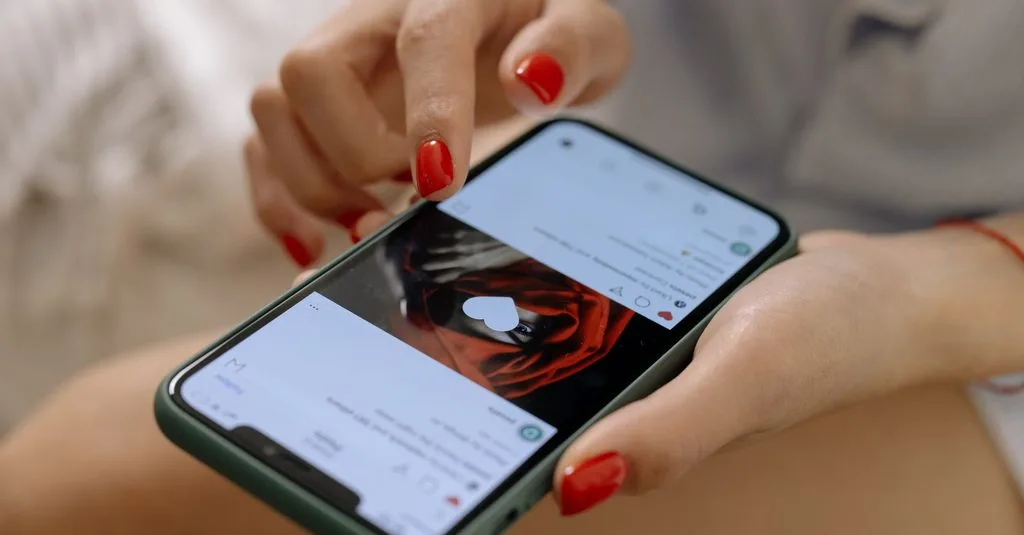
The fake winner scam is a reply from an impersonating account telling an entrant they have won, then steering them somewhere you cannot see. It usually follows four steps.
- The copy. The scammer creates an account with your profile picture and a name that looks like yours, for example with an extra letter, a dot or the word “official”.
- The reply. It replies under real entries: “Congratulations! You are one of our winners. Message us to claim.”
- The move. In private messages, the entrant is asked to click a link, “verify” an account, share card details or pay a small fee for delivery, tax or processing.
- The pressure. There is a deadline: claim within the hour or the prize goes to someone else.
Each step is a warning sign that consumer protection agencies list. The US Federal Trade Commission’s guide to fake prize, sweepstakes and lottery scams says that if you have to pay to get your prize, it is a scam, and that asking for your financial or personal information is a sign of one too.
The same guide notes that scammers pressure people to act now. Your pinned warning works because it gives followers the rule before the pressure arrives: real prizes are free.
What should you do when a fake winner account appears?
- Remove or hide each of its replies on your post, so new readers do not see them.
- Report the account to the platform as impersonation, with a link to your real page.
- Reply under the people it targeted, from your real page, with a short warning (see the wording below).
- Post one public reminder near the top of the thread, and update your pinned comment if needed.
- Write it down: the account name, the time and what you did. You will want this record if a follower later says they were scammed “by your page”.
Wording you can adapt for the reply under a targeted follower:
“Hi, that message is not from us. We only contact winners from this page, and we will never ask you to pay or share bank details. Please don’t reply to that account, and report it if you can.”
Wording for the public reminder:
“Watch out: fake accounts using our name are messaging entrants. The winner will be announced here, in this post. Real prizes are free. We never ask for a fee, a link click or card details.”
Do not argue with the fake account and do not threaten it in public. Remove, report, warn and record. Arguing just keeps its replies at the top of the thread.
Impersonation is a wider problem than giveaways. Our guide on how to stop fake accounts impersonating your brand covers the reporting and prevention side for every post, not just contests.
Hide, delete or report?
For a fake winner or a scam link, the goal is that nobody else sees it and the account is stopped. That usually means removing the comment from public view and reporting the account, not just one or the other.
For ordinary spam and off-topic comments, your normal rules apply. If you are unsure which action fits which comment, our guide to when to hide, delete or ban on Facebook walks through each option.
How do you pick a fair winner from a messy comment thread?
Pick the winner from a cleaned list, never from the raw thread. A raw thread contains duplicates, bots and scam accounts, and drawing from it rewards whoever posted the most comments.
- Close the entries at the time you published, and take a full copy of the comments as they stand.
- Remove what your rules exclude: entries after the deadline, extra entries from the same person beyond your limit, and entries that do not follow the method you set.
- Remove the accounts you removed from the thread: fake winners, scam links and payment requests are not entrants.
- Decide on suspected bots with a written rule, for example “accounts that posted many near-identical comments within a few minutes”. Apply the rule to everyone, not case by case.
- Number the remaining entries and draw with a method you can explain, such as a random number generator, with a screen recording or a witness.
- Keep the record: the full list, the removals with reasons, the draw and the result.
The record is your protection. If someone says “the winner was fake” or “you only picked your friends”, you can show exactly how the draw worked.
Be careful with step four. A strict bot rule can remove real fans who simply typed “done” several times, so write the rule before the draw and keep it narrow.
After the announcement: why keep watching for seven days?
The announcement is the moment scammers have been waiting for. There is now a real winner’s name in public, and every other entrant is disappointed and hoping for a second chance.
Expect fake “second winner” and “runner-up prize” replies in the days after you announce. Keep the same watch rhythm as the middle days for about a week, and keep the pinned warning up.
- Announce in the same post, as your rules said, and repeat the line that you never ask for payment.
- Contact the winner only the way you promised. If you said “we reply from this page”, do exactly that.
- Do not ask the winner for more than delivery needs. Collect the minimum, in a private channel you control, and say why you need it.
- Post a short delivery update when the prize is sent, if the winner agrees. It shows the giveaway was real.
- Answer “I never got my prize” comments in public, with a calm offer to check privately. Ignoring them looks like guilt.
The post-giveaway week is also when you find out whether a follower was caught by a scam. Respond with care, not defensiveness: confirm the message was not from you, point them to the platform’s reporting tools and, if money was paid, to their bank or mobile-wallet provider.
A worked example: one giveaway, start to finish
This example is fictional, written for training. The shop, numbers and accounts are made up to show the routine, not taken from a customer.
A skincare shop runs a three-day giveaway for a gift box. The rules say: comment with your favourite product, one entry per person, closes Friday at 9 pm, winner announced Saturday at noon in this post, “we will never ask you to pay or DM you first”.
Day one, first hour. Forty comments arrive. The moderator on duty spots an account called “Glow Skincare Officiall” replying “you won!!” to three entrants.
She removes the replies, reports the account, warns the three people and pins a public reminder.
Days one to three. Morning, midday and evening checks. Two more copycat accounts appear and get the same treatment.
Six people ask when the draw is; one public reply answers them. A dozen near-identical emoji comments come from accounts created that week.
Friday, 9 pm. Entries close with 612 comments, and the team takes a copy.
After removing late entries, extra entries from the same people and the three copycat accounts, 471 entries remain. Their written bot rule removes 18 more, leaving 453.
Saturday, noon. They draw number 287 with a random number generator, screen-record it and announce the winner in the post.
That evening a fourth fake account offers “runner-up prizes for a small delivery charge”. It is removed within the hour because the team is still on the post-giveaway rhythm.
The following Thursday. One follower comments that she paid a “delivery fee” to an account on Saturday.
The team replies publicly that the message was not theirs and continues privately, pointing her to the platform’s reporting and her mobile-wallet provider. Their written log shows when the fake account was found and removed.
The routine did not prevent every scam attempt; nothing does. It meant most followers read the warning first, the fake replies were short-lived, and the brand could show exactly what it did.
What changes when your followers comment in more than one language?
Scam replies follow your audience’s language. On a Bangladeshi page, a fake winner reply may arrive in Bangla script, in English, or in Banglish, Bangla typed in Latin letters, such as “Congratulations apni winner, inbox korun”.
A keyword list in only one language will miss most of them. Add the scam words in every script and spelling your followers really use, including common misspellings.
This is one of the places where keyword filters struggle and meaning-based reading helps. We explain the problem in detail in our guide to moderating Bengali and mixed-language comments.
Where does AI help, and where must a person decide?
A giveaway multiplies the number of comments but not the number of decisions that need judgement. That is a good fit for AI moderation, as long as the rules about who decides are clear.
AI is useful for reading every comment the moment it arrives, sorting out the routine ones and pushing the dangerous ones to the top: replies that mention a prize, a payment or a link, from accounts that are not yours.
People should still decide the parts that carry consequences. That means who counts as a valid entrant, which borderline accounts are excluded as bots, what to say to a follower who was scammed and who the winner is.
That split is how ModerationHQ is built. It reads every comment and message across Facebook, Instagram and WhatsApp, classifies spam, complaints and other risks, and suggests an action such as reply, hide or escalate. The AI suggests; your officers approve, so nothing goes public without your say-so.
It also reads meaning rather than keywords, in English and the other languages your customers use, which matters when a scam reply arrives in Banglish at 11 pm.
The giveaway moderation checklist
Copy this into your giveaway plan. Every line has an owner and a time in a well-run campaign.
Before posting
- Rules written in plain words: who, how, deadline with time zone, how the winner is chosen, when it is announced.
- The contact line: “We announce here and reply from this page only. We never ask you to pay, click a link or share bank details.”
- That line pinned as the first comment.
- Removal rules and the bot rule written down.
- Scam keyword list in every language and spelling your followers use.
- Duty rota for launch, middle days, the deadline and the week after.
- The live promotion terms of each platform read, and local prize-promotion rules checked.
While entries come in
- Close watch in the first hour and the last hours.
- Fixed checks in between, keyword search on each check.
- Dangerous four first: fake winners, scam links, payment requests, prize talk from accounts that are not yours.
- Real questions answered in public.
- Every fake account recorded: name, time, action.
At the draw
- A full copy of the comments at the deadline.
- Removals made by the written rules, with reasons.
- A draw method you can explain, recorded or witnessed.
For seven days after
- Winner announced exactly where and how the rules said.
- Pinned warning kept up; same watch rhythm as the middle days.
- Fake “runner-up” replies removed and reported.
- Scammed followers answered with care, in public and then in private.
A giveaway is a promise to your followers. The comment section is where they decide whether you kept it.
Running a giveaway soon?
ModerationHQ reads every comment and message across Facebook, Instagram and WhatsApp, flags spam and scams in many languages, and suggests the action — your team approves before anything goes public.
Frequently Asked Questions
How do I stop fake accounts commenting “you won” on my giveaway?
You cannot stop them from trying, but you can make them fail. Say in the post how you will contact the winner, pin a warning that you never ask for payment, check the thread on a fixed rhythm, and remove and report every impersonating reply at once. Then warn each person it replied to.
Is it a scam if a giveaway winner has to pay a delivery fee?
Treat it as one. The US Federal Trade Commission says that if you have to pay to get your prize, it is a scam, and that real prizes are free. A brand running a real giveaway covers delivery or states any costs in the rules before entry, never in a private message after “you won”.
Should we delete or hide fake winner comments?
The aim is that no one else sees them and the account is stopped. Remove them from public view under your normal moderation rules, and report the account to the platform as impersonation. Keep a note of the account name and time in case a follower later reports being scammed.
How do we remove bot entries fairly before the draw?
Write a bot rule before the draw and apply it to every entry the same way, for example many near-identical comments from one account within a few minutes. Keep the rule narrow so real fans who commented twice are not excluded, and record what you removed and why.
How long should we moderate a giveaway post after the winner is announced?
Keep watching for about a week. Fake “runner-up” or “second winner” replies can appear after the announcement, when disappointed entrants are most likely to believe them. Keep the pinned warning up for the same period.
What should we say to a follower who was scammed by a fake winner page?
Reply with care and without blame. Confirm publicly that the message was not from you, then continue privately: point them to the platform’s reporting tools and, if they paid, to their bank or mobile-wallet provider. Your record of when you found and removed the fake account helps them too.